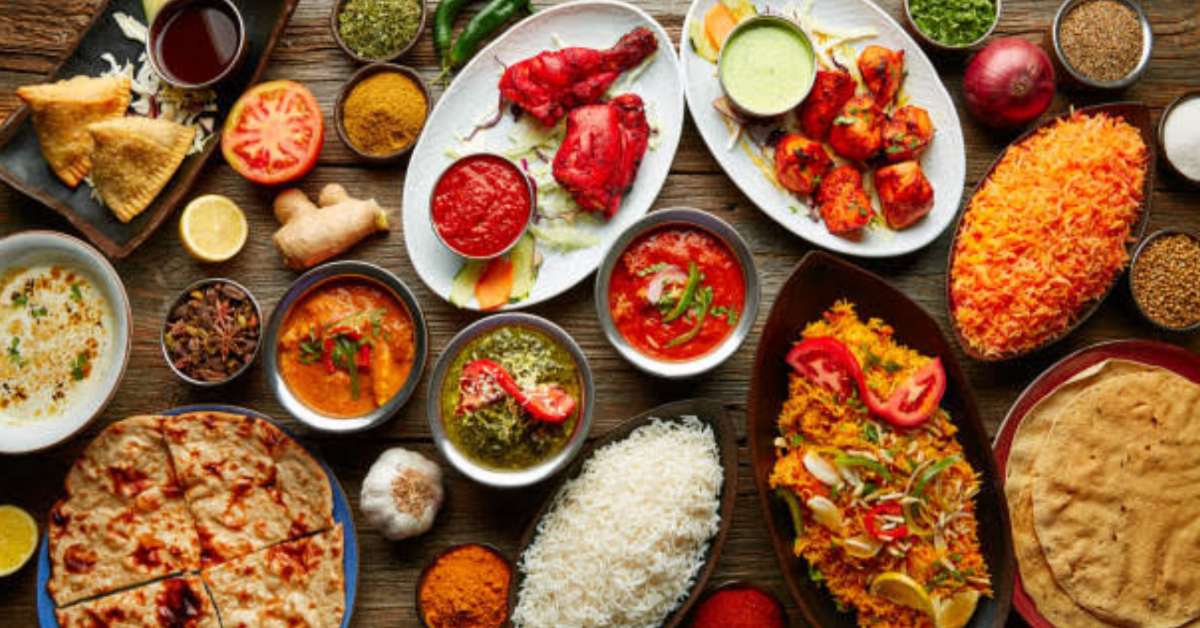
The Indian restaurant industry is a rapidly growing and significant sector, contributing significantly to the economy and creating numerous employment opportunities. The sector is expected to continue its growth, driven by factors like rising disposable incomes, changing consumer preferences, and the increasing popularity of eating out.
Key aspects of the Indian restaurant industry:
Growth: The Indian restaurant industry is one of the fastest-growing markets in the world, with a projected growth rate of 9% and a market size expected to reach Rs. 5.99 lakh crore by 2022-23, according to a report by the National Restaurant Association of India
Employment: The restaurant industry is a major employer in India, providing jobs to millions and expected to reach 10.3 million direct employees by 2028.
Economic Contribution The industry contributes significantly to the national economy through direct and indirect taxes and stimulates other ancillary industries.
Growth Factors: Rising disposable incomes, changing consumer preferences, and the increasing popularity of dining out are driving the growth of the restaurant industry.
Technological Advancements: Online ordering systems, mobile apps, and social media platforms are expanding the reach of restaurants and transforming the industry.
New Business Models: Cloud kitchens and virtual restaurants are emerging as new business models in the Indian restaurant industry.
Sustainability: Sustainability is gaining importance, with restaurants focusing on reducing food waste and sourcing locally grown ingredients.
Corporate Interest: Big corporate houses are increasingly investing in the Indian restaurant industry, seeing opportunities in the growing, lucrative market.
Steps to Start a Restaurant:
- Market Research and Analysis: Understand your target audience, competitors, and market trends.
- Concept Development: Define your restaurant's concept, theme, and cuisine.
- Business Planning: Develop a comprehensive business plan outlining your financial projections, operations, and marketing strategies.
- Legal and Regulatory Requirements: Obtain necessary licenses and permits.
- Location and Site Selection: Choose a suitable location that aligns with your business goals and target audience.
- Menu Planning and Design: Create an appealing and profitable menu.
- Equipment and Supplies: Invest in necessary kitchen equipment and supplies.
- Staff Recruitment and Training: Hire and train qualified staff.
- Marketing and Promotion: Implement effective marketing strategies to attract customers.
- Growth and Expansion: Plan for future growth and expansion.
Comments (0)